Friday, November 22, 2024

How I Used Natural Ingredients to Tackle Septic Tank Smells

How I Used Natural Ingredients to Tackle Septic Tank Smells

My Battle Against Septic Tank Smells: A Natural Approach

Okay, let's be honest. Nobody wants to deal with a smelly septic tank. That awful, pungent odor that creeps up from the drains and lingers in the air? It's a nightmare. For months, I battled a persistent septic tank smell in my home, and I was desperate to find a solution that was both effective and environmentally friendly. Forget those harsh chemical drain cleaners â€" I wanted a natural approach. So, I rolled up my sleeves, did some research, and embarked on a journey to conquer that stink. And guess what? I won! This is my story of how I used natural ingredients to finally banish those septic tank smells, and hopefully, it'll help you too.

Understanding the Source of the Stink

Before diving into my natural remedies, let's quickly chat about why septic tanks smell in the first place. It's all about the bacteria. Your septic tank is a bustling ecosystem of microorganisms that break down waste. When things get out of balance â€" maybe there's too much waste, not enough oxygen, or a problem with the drain field â€" these bacteria produce smelly gases like hydrogen sulfide and methane. These gases escape through vents, cracks, and even your drains, leading to that unpleasant odor.

Identifying the Problem Areas

The first step in tackling the smell is pinpointing its source. Is the smell strongest near the septic tank itself? Or is it coming from specific drains inside your house? Knowing where the smell is most concentrated helps you target your efforts. In my case, it was a combination of a weak drain in the bathroom and a general pervasive smell near the tank itself. This told me that I needed a multi-pronged approach.

My Natural Weaponry Against Septic Tank Odors

Now for the good stuff â€" the natural remedies I used. I combined several strategies to achieve the best results. Remember, consistency is key! These aren't magic bullets, but with regular use, they made a noticeable difference.

Baking Soda and Vinegar: The Dynamic Duo

This classic cleaning combination is incredibly effective. Baking soda neutralizes odors, while vinegar helps break down organic matter that contributes to the smell. I poured a cup of baking soda down the drains in my bathroom and kitchen (the areas where I noticed the strongest smell) followed by a cup of vinegar. The fizzing action helps scrub the pipes. I let it sit for about 30 minutes before flushing with hot water. I repeated this process once a week.

Enzyme Cleaners: The Microbial Allies

Enzyme cleaners are my secret weapon. They contain beneficial bacteria and enzymes that break down organic waste in your septic system, reducing the buildup that causes odors. You can find these at most home improvement stores, and they are specifically designed to be septic-safe. I used an enzyme cleaner according to the package directions, usually once a month, pouring it directly into a toilet and flushing. It’s important to check the instructions; some might require adding it to different drains.

Essential Oils: A Pleasant Scent Strategy

While essential oils won't directly address the root cause of the smell, they can help mask it. I added a few drops of tea tree oil, peppermint oil, or lemon oil (all known for their antibacterial and deodorizing properties) to a bowl of water and placed it near the septic tank. The diffused scent helped to freshen the air. Please note: some essential oils are very potent, so start with just a few drops, and don't use them in excessive amounts.

Regular Septic Tank Pumping: The Foundation of Success

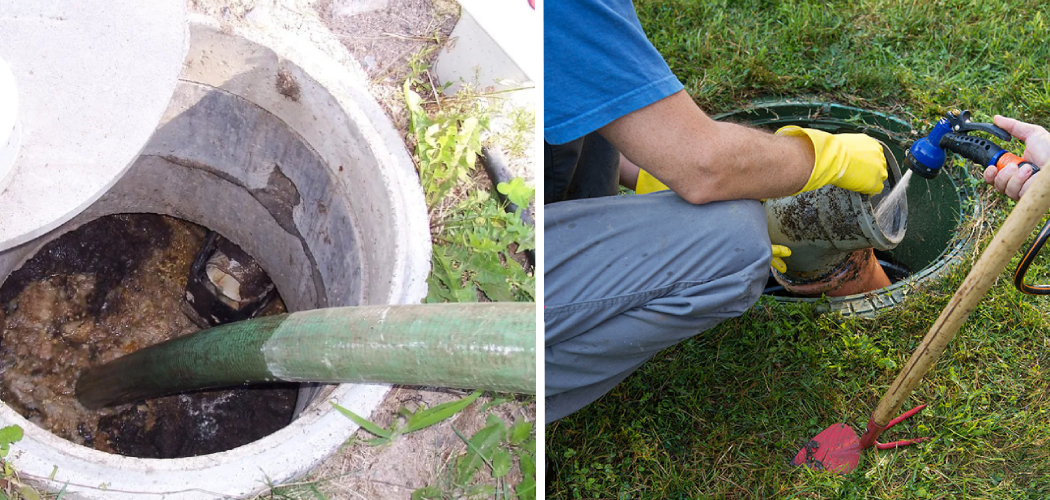
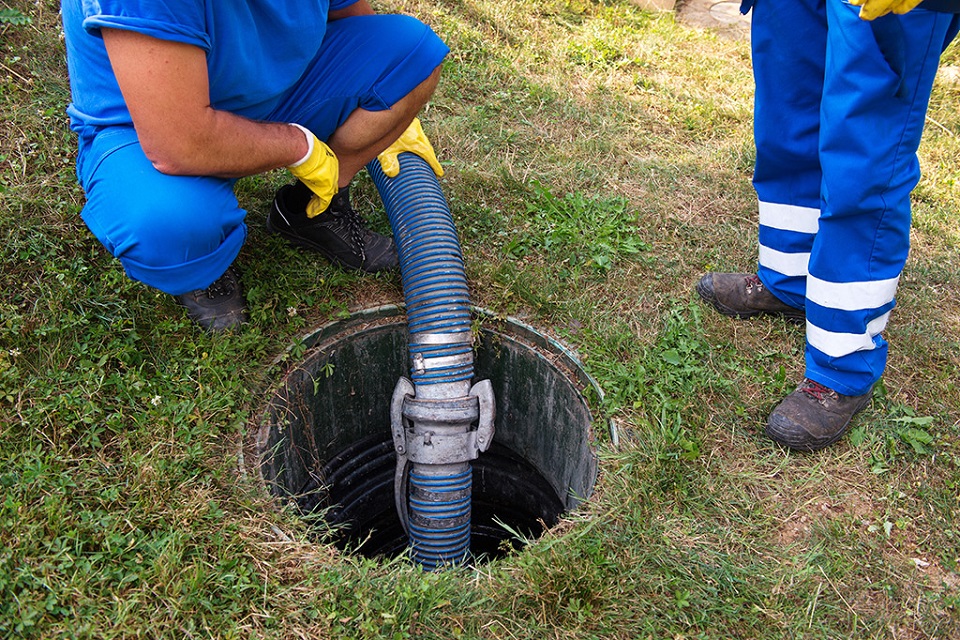
This is probably the most important tip, one that should not be overlooked! Even with natural remedies, a full septic tank will eventually cause problems and smell. Regular pumping is crucial for maintaining a healthy septic system. I scheduled a professional pumping every 2-3 years, depending on the size of my tank and household usage. This prevented buildup and kept everything running smoothly (and less smelly!).

Aerating the System (When Possible)

Aerating your septic system can help the beneficial bacteria thrive. This can sometimes be achieved naturally, but you can also find aerating systems to add to your septic tank system. This ensures there is a constant flow of oxygen, allowing the system to break down waste more efficiently. It’s important to check with a professional about the feasibility of this option as it’s not appropriate for all systems. In my case, I focused on other methods as my home did not have an existing aeration system.

Addressing Underlying Plumbing Issues

Sometimes, the smell isn't just about the septic tank itself. A leaky pipe or slow drain can allow gases to escape. I addressed a slow-draining bathroom sink by using a plumber's snake, which cleared a significant clog and reduced the smell emanating from that area. If you're struggling with consistent slow drains, you may need to call a plumber to investigate.

Maintaining a Fresh-Smelling Home (Long Term)

After I'd gotten the initial smell under control, I continued using these natural methods to maintain a fresh-smelling home. It's all about preventative maintenance. Think of it like this: you wouldn't just clean your house once and then never clean it again. The same principle applies to your septic system. Here’s what I did going forward:

  • Weekly baking soda and vinegar treatment for drains.
  • Monthly enzyme cleaner application.
  • Periodic essential oil diffusion.
  • Regular septic tank inspections and pumpings.
  • Careful monitoring of water usage to avoid overloading the system.

By implementing this ongoing maintenance schedule, I successfully kept the dreaded septic tank smell at bay. It’s more of a proactive approach, rather than reacting to a huge problem once it arises. This has saved me significant stress and money in the long run.

Frequently Asked Questions (FAQs)

Here are some questions I often get about tackling septic tank smells naturally:

Q: How often should I use enzyme cleaners?

A: The frequency depends on the product and your septic system's needs. Check the product instructions for specific recommendations, but generally, once a month is a good starting point. You may need more frequent applications if you have a larger household or experience persistent odors.

Q: What if the smell persists even after trying these methods?

A: If the smell continues despite your efforts, it's time to call a professional septic service. There might be a more serious issue with your septic system, like a blockage or a failing drain field, that requires professional attention.

Q: Are enzyme cleaners safe for my septic system?

A: Yes, enzyme cleaners are specifically formulated to be septic-safe. They contain beneficial bacteria that help break down waste and actually improve the health of your septic system. Just ensure you are using a product clearly marked as 'septic safe'.

Q: Can I use bleach in my septic tank?

A: No, avoid using bleach in your septic tank. Bleach can kill the beneficial bacteria that are essential for breaking down waste. This can actually worsen the smell and potentially damage your septic system.

Q: How often should I have my septic tank pumped?

A: This depends on factors like the size of your tank, the number of people in your household, and your water usage. A general guideline is every 3-5 years, but it’s best to consult a professional septic service for a more accurate assessment based on your specific needs.

I hope my experience helps you conquer your septic tank smell! Remember, prevention is key, and a combination of natural methods and professional maintenance can keep your home smelling fresh and your septic system functioning optimally. Good luck!

Read More..

Wednesday, November 20, 2024

Is It Normal for My Septic Tank to Smell? How Do I Solve It?

Is It Normal for My Septic Tank to Smell? How Do I Solve It?

Is It Normal for My Septic Tank to Smell? How Do I Solve It?

That telltale sewage odor wafting from your yard? It's not a pleasant experience, and it immediately raises concerns about your septic system. While a slight, earthy smell might be considered within the realm of "normal," a strong, pungent odor is a clear sign that something's amiss. This article will delve into the reasons behind septic tank smells, explore whether a smell is truly cause for alarm, and equip you with practical solutions to tackle the problem.

Understanding Septic Tank Odors: When is it a Problem?

A healthy septic system operates silently and efficiently, breaking down wastewater discreetly underground. However, various factors can disrupt this process, leading to unpleasant odors. The intensity and type of smell can often provide clues about the underlying issue. A faint, musty scent might indicate minor imbalances, while a strong, overpowering odor points to a more serious problem, potentially involving a backup or leakage. Don't dismiss a strong smell â€" it could signal a failing system requiring immediate attention.

Common Causes of Septic Tank Odors

Several culprits can contribute to a smelly septic system. These range from simple, easily fixable problems to significant issues requiring professional intervention. Let's explore some of the most common causes:

  • Improper Maintenance: Regular pumping is crucial. A full tank forces wastewater to back up, causing overflows and releasing foul-smelling gases.
  • Clogged Drainfield: This crucial part of your system filters the treated wastewater. A blockage prevents proper drainage, leading to a backup and unpleasant smells.
  • Cracked Pipes or Septic Tank Leaks: Damaged components allow sewage to seep into the surrounding soil, resulting in a strong, persistent odor. This poses a serious health risk.
  • High Water Table: If the water table is high, it can interfere with the drainage process and create pressure within the septic system, causing backups and odors.
  • Excessive Use of Harsh Chemicals: Chemicals can disrupt the beneficial bacteria responsible for wastewater decomposition, leading to inefficient breakdown and odor production.
  • Tree Roots in Drainfield: Tree roots searching for water can infiltrate the drainfield pipes, causing blockages and backflow.

Solving Septic Tank Odor Problems: A Step-by-Step Approach

Addressing a septic tank odor requires a methodical approach. Starting with simple solutions and progressing to more involved interventions can often resolve the problem effectively. Always prioritize safety and contact a professional if you're unsure about any step.

First Steps: Simple Solutions

Before calling a plumber, try these easy steps:

  • Check your septic tank lid: Ensure it's properly sealed to prevent the escape of gases. A loose or damaged lid can be the source of the odor.
  • Inspect the drainfield: Look for any signs of saturation or standing water around the drainfield area. This indicates a possible clog.
  • Avoid harsh chemicals: Switch to septic-safe cleaning products to prevent harming the beneficial bacteria in your system.
  • Schedule regular pumping: Maintain a regular pumping schedule based on the size of your tank and household usage.

When to Call a Professional

If the simple solutions don't resolve the odor, it's time to call a qualified septic system professional. They possess the expertise and equipment to diagnose the problem accurately and implement effective solutions. Do not attempt major repairs yourself â€" this could worsen the situation and potentially cause costly damage.

Remember, a consistently smelly septic system is a warning sign that shouldn't be ignored. By understanding the potential causes and taking appropriate action, you can maintain a healthy septic system and avoid the unpleasantness of persistent sewage odors.

Read More..

Septic Tank Odor After Pumping: What You Need to Know

Septic Tank Odor After Pumping: What You Need to Know

Septic Tank Odor After Pumping: What You Need to Know

Ugh, that septic smell! You just had your septic tank pumped, and now it smells worse than ever. Don't panic! While it's definitely unpleasant, a lingering odor after septic tank pumping isn't necessarily a sign of a major problem. Let's dive into the common culprits and what you can do to banish that awful smell for good.

Why Does My Septic Tank Still Smell After Pumping?

It might seem counterintuitive, but pumping your septic tank can actually temporarily *increase* the odor. Think of it like this: pumping removes the sludge, but it also disturbs the system's delicate balance. This disruption can release trapped gases and odors that were previously contained within the sludge itself. Plus, the process itself can stir up the remaining solids and liquids, leading to a temporary surge in unpleasant smells.

The Usual Suspects:

  • Gas Release: Septic tanks produce gases like hydrogen sulfide (that rotten egg smell), methane, and carbon dioxide during the breakdown of waste. Pumping dislodges these gases, leading to a temporary increase in odor.
  • Residual Sludge: Even after pumping, some sludge inevitably remains. If this residual sludge is particularly old or hasn't been properly digested, it can continue to emit odors.
  • Dry Well Issues: If your septic system includes a dry well or leach field, problems there (like clogs or poor drainage) can prevent proper wastewater absorption and lead to backups and odors.
  • Improper Pumping: Sometimes, the problem lies in the pumping process itself. An inexperienced or careless pumper might not completely empty the tank or might damage the system, exacerbating odor problems.
  • Cracks or Leaks: A cracked tank or pipe can allow sewage to seep into the surrounding soil, causing a persistent and pungent odor.
  • Bacteria Imbalance: The bacteria in your septic system work hard to break down waste. If the balance of these bacteria is disrupted (e.g., by using harsh chemicals), it can affect the breakdown process and lead to odors.

Troubleshooting the Stinky Situation

So, you've got a stinky problem. Now what? Let's walk through some troubleshooting steps to pinpoint the cause and get rid of that smell:

Short-Term Solutions (For that Immediate Relief):

  • Ventilation: Ensure proper ventilation in your bathroom and other areas close to the septic tank. Open windows, use exhaust fans, and consider adding a vent to the tank itself (if safe and appropriate for your system).
  • Odor Neutralizers: There are many commercial septic tank odor neutralizers available. These products contain enzymes or bacteria that help break down waste and reduce odors. Follow the instructions carefully.
  • Baking Soda and Vinegar: A home remedy often recommended is pouring baking soda down your drains, followed by vinegar. This creates a fizzing reaction that can help neutralize odors and clean pipes. However, use this sparingly as excessive baking soda can harm your septic system.

Longer-Term Solutions (For Lasting Freshness):

  • Check Your Pipes: Look for any signs of leaks or cracks in the pipes leading from your house to the septic tank. A small leak can cause a big smell.
  • Inspect the Drain Field: If you have a drain field, look for signs of standing water or saturated soil. These are signs of a blockage or drainage problem.
  • Consider a Second Pumping: If the smell persists after a reasonable amount of time (a week or two), it might be worth having a second pumping done. It's possible the first pumping wasn't thorough enough.
  • Professional Inspection: If you've tried the above steps and the odor remains, it's time to call in a septic system professional. They can conduct a thorough inspection to identify any underlying problems, like cracks in the tank or issues with the drain field.
  • Maintain Regularly: Preventative maintenance is key! Pumping your tank regularly (every 3-5 years, depending on usage) helps prevent a buildup of sludge and odors.

Preventing Future Septic Odors

Preventing those unpleasant septic tank smells is much easier than dealing with them after they occur. Here's how:

  • Avoid Harsh Chemicals: Harsh cleaning chemicals can disrupt the delicate bacterial balance in your septic system. Opt for septic-safe cleaners instead.
  • Limit Grease and Oil: Grease and oil can clog your pipes and disrupt the septic system's ability to break down waste effectively. Dispose of grease and oil properly.
  • Be Mindful of What You Flush: Avoid flushing things like feminine hygiene products, wipes (even "flushable" ones!), cotton balls, and dental floss. These items don't break down easily and can clog your system.
  • Regular Pumping: As mentioned earlier, regular pumping is crucial. Schedule it based on the size of your tank and household size.
  • Proper Landscaping: Avoid planting trees or shrubs near your septic tank or drain field, as their roots can damage the system.

Commonly Asked Questions

Q: How long should I expect a slight odor after septic tank pumping?

A: A mild odor for a day or two after pumping is fairly normal, due to the release of trapped gases. Anything beyond a week or two warrants further investigation.

Q: My septic tank smells like rotten eggs. What does this mean?

A: That's the distinct smell of hydrogen sulfide, a gas produced by the anaerobic bacteria breaking down waste in your septic tank. While a small amount is normal, a strong smell suggests a problem, potentially a clogged drain field or a malfunctioning system.

Q: Can I use bleach in my septic system to eliminate odors?

A: No! Bleach kills the beneficial bacteria that are essential for breaking down waste in your septic tank. This can lead to more serious problems down the line.

Q: How often should I have my septic tank pumped?

A: The frequency depends on several factors, including the size of your tank, the number of people in your household, and your water usage. Generally, every 3-5 years is a good rule of thumb, but a professional can advise you on a schedule best suited to your system.

Q: What should I do if I suspect a major problem with my septic system?

A: Don't hesitate to call a qualified septic system professional. Early detection and repair can prevent costly damage and health hazards.

Remember, while a temporary odor after pumping is often nothing to worry about, a persistent or strong smell signals a potential issue that needs attention. Don't ignore it â€" take action to identify and resolve the problem to keep your septic system functioning smoothly and your home smelling fresh!

Read More..

Sunday, November 17, 2024

What You Need to Know About Cleaning Your Septic Tank

What You Need to Know About Cleaning Your Septic Tank

What You Need to Know About Cleaning Your Septic Tank

Owning a home with a septic system comes with unique responsibilities, and one of the most important is maintaining your septic tank. A well-maintained septic system is crucial for ensuring your home's wastewater is treated effectively, preventing unpleasant odors, and avoiding costly repairs. This comprehensive guide will delve into the intricacies of septic tank cleaning, covering everything from understanding the basics to developing a proactive maintenance plan.

Understanding Septic Tank Basics

Before diving into the specifics of cleaning, it's essential to grasp the fundamental principles of septic tank operation. A septic system is a self-contained wastewater treatment system typically found in areas without access to a centralized sewer system. It consists of three main components:

Septic Tank

The septic tank is an underground, watertight container where wastewater from your home initially enters. It acts as a settling chamber, allowing solids to sink to the bottom, forming a layer known as sludge, while lighter materials rise to the surface, forming a layer called scum.

Drainfield

After the septic tank, the partially treated wastewater flows into the drainfield. This is a network of perforated pipes buried in a bed of gravel. The gravel acts as a filter, allowing the water to seep out slowly into the surrounding soil, where it's further treated by beneficial bacteria.

Distribution Box

The distribution box connects the septic tank to the drainfield, ensuring the wastewater flows evenly throughout the drainfield system. It helps distribute the wastewater across the entire area, preventing any single section from becoming overloaded.

The Importance of Septic Tank Cleaning

Regular septic tank cleaning is crucial for maintaining the system's efficiency and longevity. Here's why:

  • Prevents Clogging and Backups: As solid waste accumulates in the tank, it can restrict the flow of wastewater, leading to clogs and backups in your plumbing system.
  • Improves Wastewater Treatment: A well-cleaned tank allows bacteria to effectively break down waste, reducing the amount of untreated wastewater discharged into the drainfield.
  • Extends the Life of the System: Regular cleaning prevents the build-up of sludge and scum, which can damage the tank and drainfield over time.
  • Prevents Odors and Health Hazards: A clogged or poorly functioning septic system can release unpleasant odors and create health hazards by allowing untreated wastewater to seep into your yard.

Signs That Your Septic Tank Needs Cleaning

It's important to be aware of the warning signs that indicate your septic tank needs attention. These include:

  • Slow Draining: Noticeably slower drainage in sinks, showers, or toilets could signal a buildup in your tank.
  • Gurgling Sounds: Strange gurgling noises coming from your drains could indicate a blocked or partially blocked system.
  • Wastewater Backups: If you experience wastewater backups into your home, it's a clear indication of a severe blockage in your septic system.
  • Unusual Odors: A strong, foul smell near your septic tank or around your property is a telltale sign of a malfunctioning system.
  • Pooling Water: If you notice water pooling around your drainfield or near your septic tank, it could indicate a leak or a failing drainfield.

How Often Should You Clean Your Septic Tank?

The frequency of septic tank cleaning depends on several factors, including:

  • Household Size: Larger households with more residents generate more waste, requiring more frequent cleanings.
  • Wastewater Usage: Frequent use of appliances like dishwashers and washing machines contributes to a faster buildup of waste in the tank.
  • Tank Size: Smaller septic tanks need more frequent cleaning than larger tanks.
  • Maintenance Practices: Regular use of septic tank additives can help slow down the accumulation of sludge and scum, extending the time between cleanings.

A general rule of thumb is to have your septic tank pumped every 3-5 years. However, it's best to consult with a qualified septic system inspector or contractor to determine the optimal cleaning frequency for your specific system.

The Septic Tank Cleaning Process

Septic tank cleaning is best left to professionals with the experience and equipment to do the job safely and effectively. Here's a general overview of the process:

  1. Inspection: The cleaning process begins with a visual inspection of the tank to assess the amount of sludge and scum buildup.
  2. Pumping: A specialized pump is used to remove the accumulated sludge and scum from the tank.
  3. Cleaning: The interior of the tank is cleaned using high-pressure water jets to remove any remaining debris.
  4. Distribution Box Inspection: The distribution box is checked for blockages and cleaned as necessary.
  5. Final Inspection: The septic system is inspected for any signs of damage or potential issues.
  6. Waste Disposal: The removed waste is disposed of in accordance with local regulations.
  7. Tips for Maintaining Your Septic Tank

    Apart from regular professional cleanings, there are several proactive steps you can take to keep your septic system running smoothly:

    • Avoid Flushing Unnecessary Items: Don't flush items like disposable wipes, sanitary products, or coffee grounds down the toilet, as they can contribute to clogging.
    • Use Septic Tank Additives: Consider using septic tank additives that contain beneficial bacteria and enzymes to help break down waste and reduce sludge buildup.
    • Practice Water Conservation: Reducing water usage can slow down the rate of sludge buildup, prolonging the time between cleanings.
    • Maintain Landscaping: Avoid planting trees or shrubs near your septic tank or drainfield, as their roots can damage the system's pipes.
    • Schedule Regular Inspections: Have a professional inspect your septic system every 2-3 years to identify potential issues before they become serious problems.

    The Importance of Professional Septic Tank Cleaning

    While some DIY approaches might seem appealing, it's crucial to understand the risks involved. Septic tank cleaning can be a hazardous undertaking, involving exposure to potentially harmful bacteria and gases. Furthermore, improper cleaning techniques can damage the tank and lead to further problems.

    Hiring a qualified septic tank cleaning professional provides several benefits:

    • Safety: Professionals have the expertise and equipment to handle the cleaning process safely and effectively.
    • Experience: They have extensive knowledge of septic systems and can identify potential issues that homeowners might miss.
    • Proper Disposal: They dispose of removed waste in accordance with local regulations, ensuring environmental compliance.
    • Warranty: Most reputable companies offer warranties on their work, providing peace of mind in case of any unforeseen issues.

    Investing in professional septic tank cleaning is a wise investment in the long-term health and longevity of your home's wastewater system. By prioritizing regular maintenance and engaging qualified professionals, you can ensure the efficient operation of your septic tank, preventing costly repairs and safeguarding your property's value.

Read More..

How to Clean Your Septic Tank: A Complete Guide

How to Clean Your Septic Tank: A Complete Guide

How to Clean Your Septic Tank: A Complete Guide

So, you've got a septic system, huh? It's like having a mini-wastewater treatment plant right in your backyard. But just like any system, it needs a little TLC to keep things running smoothly. And that means cleaning your septic tank! Now, before you panic, think of it more like a car maintenance schedule than a major surgery. Regular cleanings will keep your system happy and your life stink-free (literally!).

Let's dive into the nitty-gritty details of how to clean your septic tank. This guide will equip you with the knowledge and confidence to tackle the task. But remember, if you're not comfortable doing it yourself, there are always professionals who can handle it for you.

Understanding Your Septic System

Think of your septic system like a team working together. Here's the breakdown:

  • Septic Tank: The heart of the system, it's where solid waste settles and liquids are partially treated. Imagine it like a giant settling pond for everything that goes down your drains.
  • Drainfield (Leach Field): The workhorse. Here, the partially treated wastewater filters through the soil, where bacteria do the rest of the cleanup job. It's basically nature's filter.
  • Pipes: The transportation network that carries the wastewater from your house to the tank and then to the drainfield.

Each of these components is crucial for your system to function properly. Think of it as a delicate ecosystem. If one part gets clogged or overwhelmed, the whole thing can suffer.

When to Clean Your Septic Tank

There's no one-size-fits-all answer to this question. Factors like the size of your tank, the number of people in your household, and your wastewater habits (how much you flush, what you pour down the drain) all play a role.

However, here's a general guideline:

  • Every 3-5 years: This is a good starting point for most septic systems.
  • If you notice signs of trouble: Things like slow drains, gurgling noises, sewage odors, or a lawn that's always soggy could indicate a problem. Get that tank checked ASAP!

What You'll Need

Now, let's talk about what you'll need to clean your septic tank:

  • Safety Gear: This is a must! You'll need a respirator mask, gloves, eye protection, and protective clothing to shield yourself from harmful fumes and bacteria. Think hazmat suit, but you can probably find a more casual version.
  • Pump: A submersible pump with a hose is essential for removing sludge and scum from the tank. Choose a pump that's powerful enough to handle the job.
  • Tank Cleaning Tools: You'll need a sturdy rake or shovel to break up the sludge and a sturdy bucket to transport the waste.
  • Septic Tank Additives: These can help break down waste and keep your tank running smoothly. They're not mandatory, but they can help prolong the life of your system.

The Cleaning Process

Okay, let's get down to business. Here's a step-by-step guide to cleaning your septic tank:

  1. Get Ready: Gather all your equipment and gear. It's a good idea to have someone on hand to help, especially if you're dealing with a large tank.
  2. Locate the Tank: Make sure you know where your tank is located. The lid should be easy to identify.
  3. Safety First: Don your safety gear, including respirator mask, gloves, eye protection, and protective clothing.
  4. Remove the Lid: Carefully remove the lid of the septic tank. Be prepared for a bit of an unpleasant odor.
  5. Pump Out the Waste: Use your submersible pump to remove the sludge and scum from the tank. You may need to do this in several stages, depending on the amount of waste in the tank.
  6. Clean the Tank: Once the waste has been removed, use a sturdy rake or shovel to break up any remaining sludge and debris. Then, use a bucket to remove the remaining waste.
  7. Inspect the Tank: Take a look around inside the tank and check for any signs of damage or leaks.
  8. Add Septic Tank Additives: If you're using septic tank additives, add them as per the manufacturer's instructions.
  9. Replace the Lid: Carefully replace the lid of the septic tank, making sure it's securely fastened.
  10. Cleanup: Dispose of the waste according to your local regulations. Then, thoroughly clean your equipment and gear.

Important Tips

Here are some tips to keep in mind when cleaning your septic tank:

  • Be Patient: This is not a quick job. It will take time and effort.
  • Avoid Overfilling: Don't let your septic tank get too full before cleaning it. This can lead to backups and other problems.
  • Use the Right Additives: Not all septic tank additives are created equal. Choose one that is specifically designed for your type of system.
  • Document Everything: Keep track of when you clean your tank and what you find inside. This will help you stay on top of your maintenance schedule and identify any potential problems early on.
  • Consider Hiring a Professional: If you're not comfortable cleaning your septic tank yourself, don't hesitate to call a professional. They have the experience and equipment to do the job safely and efficiently.

Commonly Asked Questions

Here are some answers to frequently asked questions about cleaning your septic tank:

How Often Should I Clean My Septic Tank?

As we mentioned before, the frequency of cleaning depends on several factors. A good rule of thumb is every 3-5 years, but it's best to check with a professional or consult your local regulations.

Can I Clean My Septic Tank Myself?

You can! However, it's important to follow safety procedures and use the right equipment. If you're not comfortable doing it yourself, a professional can handle it for you.

How Much Does It Cost to Clean a Septic Tank?

The cost of professional septic tank cleaning can vary depending on your location, the size of your tank, and the amount of waste that needs to be removed. On average, you can expect to pay between $200 and $500.

What Should I Avoid Doing with My Septic System?

To keep your septic system in tip-top shape, here's what to avoid:

  • Pouring grease or oil down the drain: Grease and oil can solidify in your pipes and tank, leading to clogs.
  • Flushing disposable wipes or paper towels down the toilet: These items can clog your pipes and tank.
  • Using excessive amounts of chemicals: Certain chemicals can harm the bacteria that help break down waste in your septic system.
  • Parking heavy vehicles over your drainfield: Heavy vehicles can compact the soil in your drainfield, preventing proper drainage.

By understanding your septic system and following these cleaning tips, you can help ensure that it continues to operate efficiently for years to come. Remember, regular maintenance is key to preventing costly repairs and keeping your home healthy and odor-free. And if you ever have any questions or concerns, don't hesitate to reach out to a professional.

Read More..

The Ultimate Guide to Fixing Septic Tank Smells at Home

The Ultimate Guide to Fixing Septic Tank Smells at Home

The Ultimate Guide to Fixing Septic Tank Smells at Home

The unmistakable odor of sewage can be a distressing and embarrassing problem for homeowners with septic systems. While a slight, intermittent smell might be normal, persistent or strong odors indicate an issue that needs attention. Understanding the causes and addressing them promptly is crucial to maintain a healthy living environment. This comprehensive guide explores the most common culprits behind septic tank smells, providing practical solutions and preventative measures to eliminate the problem for good.

Common Causes of Septic Tank Smells

Septic tank odors typically arise from the release of gases produced during the decomposition of organic matter. These gases, primarily methane and hydrogen sulfide, can escape into the surrounding environment through various pathways.

1. Overfilled Septic Tank

When the septic tank reaches its capacity, wastewater can overflow into the drain field, leading to backflow and unpleasant smells. This situation occurs due to insufficient waste disposal and infrequent septic tank pumping.

2. Clogged Drain Field

The drain field, responsible for filtering wastewater, can become clogged due to the buildup of solids or excessive organic matter. This blockage hinders proper drainage, forcing wastewater to back up and emit foul odors.

3. Faulty Septic Tank Components

Damaged or malfunctioning components, including the tank lid, baffles, or outlet pipes, can create leaks and allow odors to escape. These issues might arise from age, wear and tear, or improper installation.

4. Improper Vent Pipe Installation

The vent pipe, designed to release gases from the septic tank into the atmosphere, must be properly installed and maintained. If blocked, the vent pipe can cause a pressure buildup, leading to odors escaping through other openings.

5. Plumbing Issues

Leaky pipes within the home or sewage lines can directly release foul odors into the living space. These leaks often occur due to old pipes, corrosion, or improper installation.

6. Excessive Use of Harsh Chemicals

Using strong chemicals like bleach or drain cleaners can disrupt the delicate balance of bacteria in the septic tank, hindering the decomposition process and contributing to odor production.

Troubleshooting and Addressing Septic Tank Smells

Once you've identified the potential causes of the smell, you can take appropriate steps to eliminate the issue. Remember to prioritize safety and consult with a qualified professional when necessary.

1. Inspect the Septic Tank

Begin by visually inspecting the septic tank. Look for signs of overflow, cracks, or leaks. If the lid appears to be bulging, it might indicate a full tank.

2. Check the Drain Field

Examine the area surrounding the drain field for signs of soggy ground, standing water, or foul odors emanating from the soil. These symptoms suggest a clogged or malfunctioning drain field.

3. Investigate Vent Pipe Functionality

Locate the vent pipe and ensure it is not obstructed by debris or vegetation. Check for any leaks or cracks along the pipe.

4. Inspect Plumbing Fixtures

Inspect plumbing fixtures, such as toilets, sinks, and drains, for any signs of leaks. Run water through these fixtures to verify proper drainage and check for lingering odors.

5. Consider Professional Assistance

If you suspect a serious problem or are unsure about any aspect of the inspection, it's crucial to contact a qualified septic tank professional. They can conduct a thorough evaluation, identify any underlying issues, and recommend appropriate solutions.

Solutions for Eliminating Septic Tank Smells

Once you've identified the root cause of the odor, you can implement specific solutions to eliminate the problem.

1. Septic Tank Pumping

For an overfilled tank, professional pumping is essential. Regular pumping, typically every 3-5 years, prevents overflow and maintains optimal tank performance.

2. Drain Field Maintenance

A clogged drain field may require professional intervention. Techniques like aeration, jetting, or replacing sections of the field might be necessary to restore drainage.

3. Septic Tank Repairs or Replacement

Damaged tank components or a malfunctioning vent pipe need repair or replacement. Consult a qualified septic tank professional for the most appropriate solution.

4. Plumbing Repairs

Leaky pipes require immediate attention. Contact a plumber for a comprehensive assessment and repair of any leaks or faulty plumbing fixtures.

5. Use of Septic-Safe Products

Avoid using harsh chemicals that can disrupt the septic system's bacteria. Instead, opt for septic-safe cleaners and detergents designed for use with these systems.

Preventative Measures to Avoid Septic Tank Smells

Preventing septic tank odors involves proactive measures that maintain the system's health and efficiency.

1. Regular Septic Tank Pumping

Schedule regular septic tank pumping according to the manufacturer's recommendations or based on the usage level of the system.

2. Limit Flushing of Solids

Avoid flushing items such as wipes, paper towels, and food scraps down the toilet, as these materials can contribute to clogging and odor problems.

3. Use Septic-Safe Products

Always opt for septic-safe cleaners, detergents, and other household products designed for use with septic systems.

4. Avoid Excessive Water Use

Limit water usage by taking shorter showers, fixing leaky faucets, and being mindful of water consumption in appliances like dishwashers and washing machines.

5. Maintain Drain Field Area

Ensure that the drain field area is free from vegetation, debris, and other obstructions. Avoid parking heavy vehicles or adding structures above the drain field.

Conclusion

Addressing septic tank smells requires a methodical approach involving identifying the root cause, implementing appropriate solutions, and practicing preventative measures. By following these guidelines, you can effectively eliminate the issue and maintain a pleasant and healthy living environment. Remember to prioritize safety and consult with a qualified professional when necessary. Maintaining a well-functioning septic system ensures not only odor control but also the long-term health of your home's wastewater management system.

Read More..

Saturday, November 16, 2024

How to Find and Fix the Cause of Outdoor Septic Odors

How to Find and Fix the Cause of Outdoor Septic Odors

The Great Septic Smell Detective: How to Find and Fix Those Outdoor Odors

Ah, the great outdoors. Fresh air, sunshine, and...that unmistakable smell of something...well, not so fresh. If you're dealing with unpleasant septic odors wafting around your yard, you're not alone. But don't worry, this doesn't have to be a smelly situation forever. We're going to dive into the world of septic systems and sniff out the root of the problem, so you can enjoy your outdoor space again.

The Usual Suspects: Common Causes of Septic Odors

Think of your septic system as a mini-ecosystem. When things are running smoothly, it breaks down waste efficiently. But like any ecosystem, it can get thrown off balance. Here are some common culprits for those unwelcome aromas:

1. The Tank is Full

Think of your septic tank as a big holding tank for all the stuff you flush down the drain. It's designed to handle a certain amount of waste, and when it gets full, things start to get smelly. If you're noticing a strong odor near the tank itself, this is a good sign that it might be full or overflowing. Don't panic! You can usually pump out the tank to get things back on track.

2. The Drainfield is Clogged

The drainfield is like the "after-party" for wastewater, where the water gets filtered and released back into the ground. A clogged drainfield means the wastewater isn't draining properly, leading to backups and odors. This can happen for a few reasons:

  • Overloading the system: Too much water going into the tank can overload the drainfield. Think big showers, laundry days, and washing machines that seem to love guzzling water.
  • Improper installation: Sometimes the drainfield itself wasn't installed correctly, leading to problems down the road.
  • Tree roots: Those sneaky tree roots can get into the drainfield lines, creating blockages and making the system less efficient.
  • Poor soil conditions: Certain soil types just don't drain well. If the soil is too compact or clay-like, it can impede the draining process.

3. The Vent Pipe is Blocked

Every septic system needs a vent pipe. It's like the escape hatch, letting those nasty gases escape to the outside world. But if this vent gets blocked (by bird nests, leaves, or even critters), the gases have nowhere to go, and they can create unpleasant smells in your yard.

4. Leaking Pipes

A leak in your septic system can lead to the release of odor-causing gases into the surrounding area. Check for any wet spots or pooling water near the tank or the drainfield. If you see anything suspicious, call a septic professional to investigate.

Sniffing Out Solutions: How to Fix Septic Odors

Now that we've identified the potential culprits, let's talk about how to fix those smelly situations:

1. Pump Your Tank

If you suspect a full tank is the problem, schedule a septic tank pumping. It's a relatively simple process, and a good idea to do it regularly. Aim for a pumping every 3-5 years, or sooner if you have a large household or frequent use of water.

2. Address the Drainfield Issues

Fixing a drainfield problem can be a little trickier. It's best to call a septic professional. Here's what they can do:

  • Diagnose the issue: They'll use specialized equipment to pinpoint the problem, whether it's a clog, a root intrusion, or soil issues.
  • Clean and repair: They can clear out clogs, remove roots, or even install a new drainfield if necessary.
  • Recommend maintenance: They can give you tips on how to prevent future issues, such as avoiding overloading the system.

3. Clear the Vent Pipe

If the vent pipe is blocked, you can often clear it yourself. Make sure you have someone on the ground to spot potential problems. Here's a step-by-step guide:

  • Locate the vent pipe: It's typically located near the septic tank, and it might stick up above the roofline.
  • Remove any obstructions: Carefully remove any leaves, twigs, or debris blocking the vent. You might need a long pole or brush to reach the top.
  • Check for critters: If there are any bird nests or animal intrusions, remove them gently and carefully.
  • Inspect the vent: Make sure there aren't any other blockages further down the pipe. If necessary, you might need a plumber to clear a blockage that's out of reach.

4. Repair Leaky Pipes

If you find leaks, it's essential to get a professional plumber involved. They have the tools and expertise to locate leaks, repair them, and ensure the system is working properly again.

Prevention is Key: Keeping Your Septic System Happy

Just like your car needs regular maintenance, so does your septic system. Here are some tips to keep things running smoothly and prevent those pesky odors:

  • Limit water usage: Avoid long showers, excessive laundry loads, and running the dishwasher or washing machine multiple times a day.
  • Don't flush unwanted items: Keep the following things out of your septic system:
    • Flushable wipes: These are notoriously bad for septic systems. They don't break down well and can clog the system.
    • Hair: Try to catch hair in drains with a screen or filter.
    • Grease: Pour grease down the drain, and it can solidify and cause problems.
    • Coffee grounds: These can also create blockages in the system.
    • Medication: Never flush unused or expired medications down the toilet.
  • Inspect regularly: Have your system checked by a professional every 3-5 years to make sure everything is functioning properly.
  • Keep the ground around the tank clear: Don't let trees or shrubs grow too close to the septic tank. Their roots can damage the system and create problems.
  • Use septic-safe products: If you need to use chemicals or cleaning products, choose ones that are specifically designed for septic systems. Some products can harm the bacteria that help break down waste.

Frequently Asked Questions about Septic Odors

We've covered a lot of ground, so let's tackle some common questions you might have about those pesky septic odors:

How do I know if my septic tank needs pumping?

It's a good idea to have your tank pumped every 3-5 years, but there are some signs that it might need attention sooner:

  • Slow draining: Water in sinks, tubs, and toilets drains slowly.
  • Gurgling sounds: You hear gurgling or bubbling sounds from drains or toilets.
  • Visible wastewater: You see wastewater surfacing near the septic tank or in your yard.
  • Strong odors: You notice a strong sewer-like smell around the septic tank or in your yard.

What can I do about septic odors in the house?

If you're noticing odors coming from inside the house, it's a sign that something more serious is going on, like a clogged drainfield or a leak in the system. Call a septic professional to diagnose the problem and get it fixed. You can also try pouring a cup of baking soda and vinegar down the drain to help clear out any minor clogs, but this is just a temporary solution.

Are there any natural ways to reduce septic odors?

Here are some natural tips that might help:

  • Add baking soda and vinegar: Pour a cup of baking soda down the drain, followed by a cup of vinegar. This can help neutralize odors and break down any clogs.
  • Use septic-safe enzymes: These products contain beneficial bacteria that help break down waste and reduce odors.
  • Plant odor-absorbing plants: Certain plants, like lavender, rosemary, and mint, are known to absorb odors naturally. Plant them near your septic system to help mask any unpleasant smells.

Remember, a good septic system is a happy septic system! By following these tips, you can avoid those embarrassing septic smells and enjoy a fresh, clean outdoor space.

Read More..