Keeping Your Septic Tank Smell-Free: A Guide to a Pleasant Home
Let's face it, nobody wants their home smelling like a sewage treatment plant. Yuck! But sometimes, that's the reality for people with septic systems. Luckily, there are things you can do to keep your septic tank smelling fresh and avoid any embarrassing olfactory situations. Let's dive into the world of septic tank maintenance and learn how to keep those unpleasant odors at bay.
Understanding the Basics
Before we get into the nitty-gritty of odor control, let's understand how septic systems work. It's like a mini-wastewater treatment plant in your backyard. Wastewater from your home flows into the septic tank, where solids settle to the bottom forming sludge. The liquid part, known as effluent, flows out to the drain field where it's filtered by the soil.
The key to a smell-free septic system is to maintain a healthy balance. If things get out of whack, you can end up with a stinky situation. The most common culprits for septic system odors are:
- Overloading the tank: Too much waste overwhelms the system, leading to backups and smelly overflows.
- Clogged drain field: This is a serious problem that prevents effluent from filtering properly, leading to a buildup of waste and unpleasant smells.
- Improperly functioning septic tank: A broken or poorly maintained tank can't do its job effectively, resulting in smelly leaks.
- Bacteria imbalance: Septic systems rely on bacteria to break down waste. An imbalance in these bacteria can lead to foul smells.
Preventing Septic Tank Odors: A Proactive Approach
The best way to avoid septic tank odors is to be proactive and take good care of your system. Here's a simple guide to keep your septic tank happy and your home smelling fresh:
1. Limit Waste
One of the easiest ways to prevent overloading your septic tank is to limit the amount of waste that goes into it. Here are some tips:
- Avoid flushing non-biodegradable items: Things like wipes, paper towels, feminine hygiene products, and even cotton balls don't break down easily and can clog your system. Stick to using only toilet paper designed for septic systems.
- Minimize grease and oil disposal: Fats and oils can create a thick layer in your tank, blocking proper flow. Dispose of cooking oils in a designated container, not down the drain.
- Use less water: Shorten your showers, run your washing machine and dishwasher only when full, and fix any leaky faucets. These small changes can make a big difference in reducing the amount of water entering your septic system.
2. Regular Inspections and Pumping
Just like a car needs regular servicing, your septic system needs attention too! Schedule regular inspections and pumping to ensure it's functioning properly. Here's what you need to know:
- Inspections: Have a qualified septic system professional inspect your tank every 1-3 years. They can check for any issues and recommend necessary maintenance.
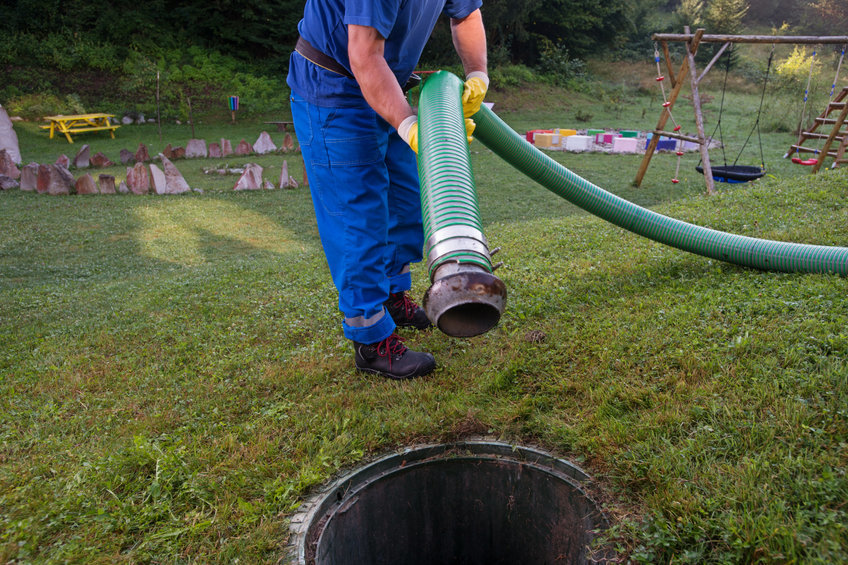
- Pumping: You should have your septic tank pumped every 3-5 years. The frequency depends on the size of your tank and the number of people using it. A full tank can lead to backups and unpleasant odors.
3. Keep the Drain Field Clear
The drain field is responsible for filtering the effluent from your septic tank. It's crucial to keep it clear of obstructions and promote proper drainage.
- Avoid driving or parking over the drain field: Heavy vehicles can compress the soil and impede drainage.
- Plant grass or other shallow-rooted plants: Deep-rooted trees and shrubs can damage the drain field by pulling water away.
- Keep the area around the drain field free of debris: Leaves, branches, and other debris can block the drainage system and cause backups.
4. Add Beneficial Bacteria
Septic systems rely on a balance of good bacteria to break down waste. If the bacterial balance gets disrupted, it can lead to odors and poor performance.
- Use septic tank additives: These products contain beneficial bacteria and enzymes that help break down waste and keep the tank smelling fresh.
- Avoid harsh chemicals: Cleaning products, bleach, and other harsh chemicals can kill the beneficial bacteria in your septic tank. Use eco-friendly alternatives whenever possible.
Addressing Septic Tank Odors: Troubleshooting and Solutions
If you're already dealing with unpleasant odors from your septic system, it's time to troubleshoot the problem and find a solution.
1. Inspect for Leaks
A leaky septic tank is a major culprit for foul smells. Look for signs of leaks near the tank and around the drain field. If you suspect a leak, contact a professional immediately.
2. Check the Drain Field
A clogged drain field can also lead to a build-up of wastewater and odors. If you notice standing water or soggy ground around the drain field, there's a problem. Contact a professional for an inspection and possible repair.
3. Try Septic Tank Treatments
Septic tank treatments can help restore the balance of bacteria in your tank and break down waste more effectively. Use a product specifically designed for septic systems, and follow the instructions carefully.
4. Consider a Septic System Upgrade
If your septic system is old or has recurring problems, upgrading it might be a good solution. A newer system will be more efficient and may help prevent future odor issues.
Beyond the Basics: Septic Tank Smell Prevention Tips
Here are a few extra tips to keep those odors at bay:
- Ventilate your bathroom: Use a fan or open a window to circulate air and reduce the buildup of moisture and odors.
- Clean your bathroom regularly: Regular cleaning helps remove bacteria and odors, keeping your bathroom fresh and smelling nice.
- Use a septic tank odor neutralizer: These products can help mask unpleasant smells, but it's important to address the underlying issue to prevent recurring odors.
By following these tips, you can keep your septic system functioning properly and avoid those embarrassing smells. Remember, a little proactive care goes a long way in maintaining a healthy septic system and a fresh-smelling home.
0 comments:
Post a Comment