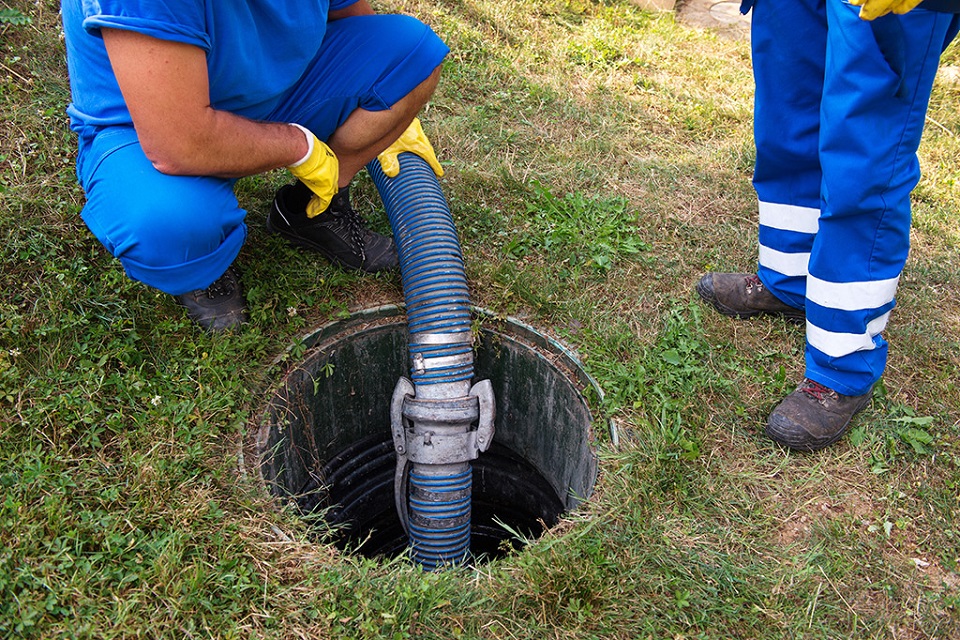
Septic Tank Odor After Pumping: What You Need to Know
Ugh, that septic smell! You just had your septic tank pumped, and now it smells worse than ever. Don't panic! While it's definitely unpleasant, a lingering odor after septic tank pumping isn't necessarily a sign of a major problem. Let's dive into the common culprits and what you can do to banish that awful smell for good.
Why Does My Septic Tank Still Smell After Pumping?
It might seem counterintuitive, but pumping your septic tank can actually temporarily *increase* the odor. Think of it like this: pumping removes the sludge, but it also disturbs the system's delicate balance. This disruption can release trapped gases and odors that were previously contained within the sludge itself. Plus, the process itself can stir up the remaining solids and liquids, leading to a temporary surge in unpleasant smells.
The Usual Suspects:
- Gas Release: Septic tanks produce gases like hydrogen sulfide (that rotten egg smell), methane, and carbon dioxide during the breakdown of waste. Pumping dislodges these gases, leading to a temporary increase in odor.
- Residual Sludge: Even after pumping, some sludge inevitably remains. If this residual sludge is particularly old or hasn't been properly digested, it can continue to emit odors.
- Dry Well Issues: If your septic system includes a dry well or leach field, problems there (like clogs or poor drainage) can prevent proper wastewater absorption and lead to backups and odors.
- Improper Pumping: Sometimes, the problem lies in the pumping process itself. An inexperienced or careless pumper might not completely empty the tank or might damage the system, exacerbating odor problems.
- Cracks or Leaks: A cracked tank or pipe can allow sewage to seep into the surrounding soil, causing a persistent and pungent odor.
- Bacteria Imbalance: The bacteria in your septic system work hard to break down waste. If the balance of these bacteria is disrupted (e.g., by using harsh chemicals), it can affect the breakdown process and lead to odors.
Troubleshooting the Stinky Situation
So, you've got a stinky problem. Now what? Let's walk through some troubleshooting steps to pinpoint the cause and get rid of that smell:
Short-Term Solutions (For that Immediate Relief):
- Ventilation: Ensure proper ventilation in your bathroom and other areas close to the septic tank. Open windows, use exhaust fans, and consider adding a vent to the tank itself (if safe and appropriate for your system).
- Odor Neutralizers: There are many commercial septic tank odor neutralizers available. These products contain enzymes or bacteria that help break down waste and reduce odors. Follow the instructions carefully.
- Baking Soda and Vinegar: A home remedy often recommended is pouring baking soda down your drains, followed by vinegar. This creates a fizzing reaction that can help neutralize odors and clean pipes. However, use this sparingly as excessive baking soda can harm your septic system.
Longer-Term Solutions (For Lasting Freshness):
- Check Your Pipes: Look for any signs of leaks or cracks in the pipes leading from your house to the septic tank. A small leak can cause a big smell.
- Inspect the Drain Field: If you have a drain field, look for signs of standing water or saturated soil. These are signs of a blockage or drainage problem.
- Consider a Second Pumping: If the smell persists after a reasonable amount of time (a week or two), it might be worth having a second pumping done. It's possible the first pumping wasn't thorough enough.
- Professional Inspection: If you've tried the above steps and the odor remains, it's time to call in a septic system professional. They can conduct a thorough inspection to identify any underlying problems, like cracks in the tank or issues with the drain field.
- Maintain Regularly: Preventative maintenance is key! Pumping your tank regularly (every 3-5 years, depending on usage) helps prevent a buildup of sludge and odors.
Preventing Future Septic Odors
Preventing those unpleasant septic tank smells is much easier than dealing with them after they occur. Here's how:
- Avoid Harsh Chemicals: Harsh cleaning chemicals can disrupt the delicate bacterial balance in your septic system. Opt for septic-safe cleaners instead.
- Limit Grease and Oil: Grease and oil can clog your pipes and disrupt the septic system's ability to break down waste effectively. Dispose of grease and oil properly.
- Be Mindful of What You Flush: Avoid flushing things like feminine hygiene products, wipes (even "flushable" ones!), cotton balls, and dental floss. These items don't break down easily and can clog your system.
- Regular Pumping: As mentioned earlier, regular pumping is crucial. Schedule it based on the size of your tank and household size.
- Proper Landscaping: Avoid planting trees or shrubs near your septic tank or drain field, as their roots can damage the system.
Commonly Asked Questions
Q: How long should I expect a slight odor after septic tank pumping?
A: A mild odor for a day or two after pumping is fairly normal, due to the release of trapped gases. Anything beyond a week or two warrants further investigation.
Q: My septic tank smells like rotten eggs. What does this mean?
A: That's the distinct smell of hydrogen sulfide, a gas produced by the anaerobic bacteria breaking down waste in your septic tank. While a small amount is normal, a strong smell suggests a problem, potentially a clogged drain field or a malfunctioning system.
Q: Can I use bleach in my septic system to eliminate odors?
A: No! Bleach kills the beneficial bacteria that are essential for breaking down waste in your septic tank. This can lead to more serious problems down the line.
Q: How often should I have my septic tank pumped?
A: The frequency depends on several factors, including the size of your tank, the number of people in your household, and your water usage. Generally, every 3-5 years is a good rule of thumb, but a professional can advise you on a schedule best suited to your system.
Q: What should I do if I suspect a major problem with my septic system?
A: Don't hesitate to call a qualified septic system professional. Early detection and repair can prevent costly damage and health hazards.
Remember, while a temporary odor after pumping is often nothing to worry about, a persistent or strong smell signals a potential issue that needs attention. Don't ignore it â€" take action to identify and resolve the problem to keep your septic system functioning smoothly and your home smelling fresh!
0 comments:
Post a Comment