My Battle Against Septic Tank Smells: A Natural Approach
Okay, let's be honest. Nobody wants to deal with a smelly septic tank. That awful, pungent odor that creeps up from the drains and lingers in the air? It's a nightmare. For months, I battled a persistent septic tank smell in my home, and I was desperate to find a solution that was both effective and environmentally friendly. Forget those harsh chemical drain cleaners â€" I wanted a natural approach. So, I rolled up my sleeves, did some research, and embarked on a journey to conquer that stink. And guess what? I won! This is my story of how I used natural ingredients to finally banish those septic tank smells, and hopefully, it'll help you too.
Understanding the Source of the Stink
Before diving into my natural remedies, let's quickly chat about why septic tanks smell in the first place. It's all about the bacteria. Your septic tank is a bustling ecosystem of microorganisms that break down waste. When things get out of balance â€" maybe there's too much waste, not enough oxygen, or a problem with the drain field â€" these bacteria produce smelly gases like hydrogen sulfide and methane. These gases escape through vents, cracks, and even your drains, leading to that unpleasant odor.
Identifying the Problem Areas
The first step in tackling the smell is pinpointing its source. Is the smell strongest near the septic tank itself? Or is it coming from specific drains inside your house? Knowing where the smell is most concentrated helps you target your efforts. In my case, it was a combination of a weak drain in the bathroom and a general pervasive smell near the tank itself. This told me that I needed a multi-pronged approach.
My Natural Weaponry Against Septic Tank Odors
Now for the good stuff â€" the natural remedies I used. I combined several strategies to achieve the best results. Remember, consistency is key! These aren't magic bullets, but with regular use, they made a noticeable difference.
Baking Soda and Vinegar: The Dynamic Duo
This classic cleaning combination is incredibly effective. Baking soda neutralizes odors, while vinegar helps break down organic matter that contributes to the smell. I poured a cup of baking soda down the drains in my bathroom and kitchen (the areas where I noticed the strongest smell) followed by a cup of vinegar. The fizzing action helps scrub the pipes. I let it sit for about 30 minutes before flushing with hot water. I repeated this process once a week.
Enzyme Cleaners: The Microbial Allies
Enzyme cleaners are my secret weapon. They contain beneficial bacteria and enzymes that break down organic waste in your septic system, reducing the buildup that causes odors. You can find these at most home improvement stores, and they are specifically designed to be septic-safe. I used an enzyme cleaner according to the package directions, usually once a month, pouring it directly into a toilet and flushing. It’s important to check the instructions; some might require adding it to different drains.
Essential Oils: A Pleasant Scent Strategy
While essential oils won't directly address the root cause of the smell, they can help mask it. I added a few drops of tea tree oil, peppermint oil, or lemon oil (all known for their antibacterial and deodorizing properties) to a bowl of water and placed it near the septic tank. The diffused scent helped to freshen the air. Please note: some essential oils are very potent, so start with just a few drops, and don't use them in excessive amounts.
Regular Septic Tank Pumping: The Foundation of Success
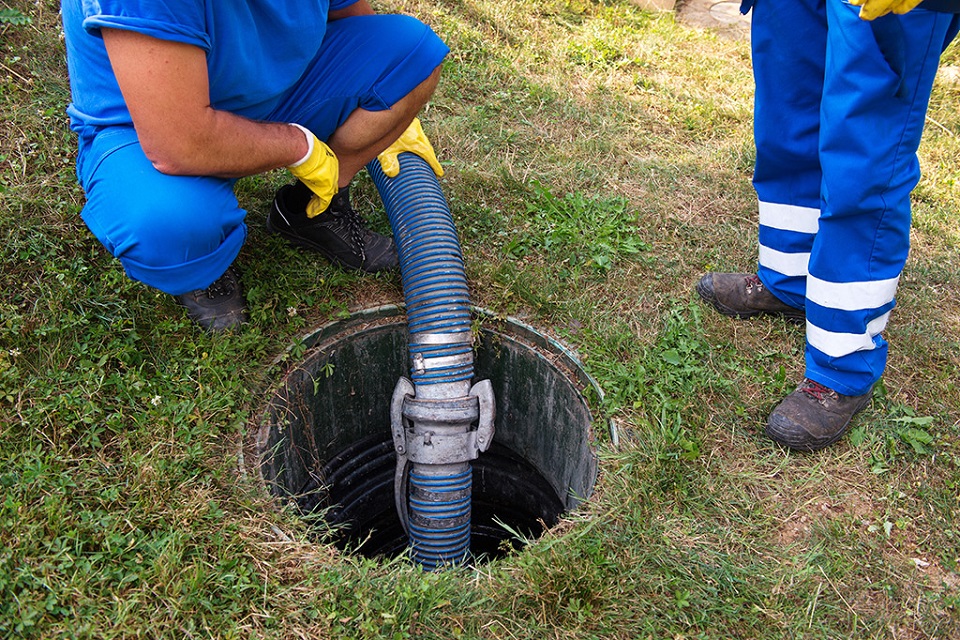
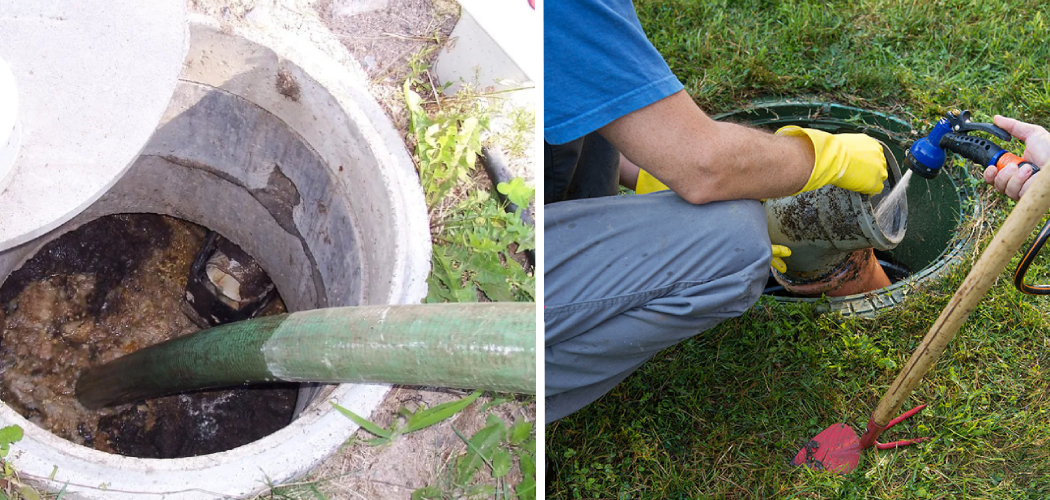
This is probably the most important tip, one that should not be overlooked! Even with natural remedies, a full septic tank will eventually cause problems and smell. Regular pumping is crucial for maintaining a healthy septic system. I scheduled a professional pumping every 2-3 years, depending on the size of my tank and household usage. This prevented buildup and kept everything running smoothly (and less smelly!).
Aerating the System (When Possible)
Aerating your septic system can help the beneficial bacteria thrive. This can sometimes be achieved naturally, but you can also find aerating systems to add to your septic tank system. This ensures there is a constant flow of oxygen, allowing the system to break down waste more efficiently. It’s important to check with a professional about the feasibility of this option as it’s not appropriate for all systems. In my case, I focused on other methods as my home did not have an existing aeration system.
Addressing Underlying Plumbing Issues
Sometimes, the smell isn't just about the septic tank itself. A leaky pipe or slow drain can allow gases to escape. I addressed a slow-draining bathroom sink by using a plumber's snake, which cleared a significant clog and reduced the smell emanating from that area. If you're struggling with consistent slow drains, you may need to call a plumber to investigate.
Maintaining a Fresh-Smelling Home (Long Term)
After I'd gotten the initial smell under control, I continued using these natural methods to maintain a fresh-smelling home. It's all about preventative maintenance. Think of it like this: you wouldn't just clean your house once and then never clean it again. The same principle applies to your septic system. Here’s what I did going forward:
- Weekly baking soda and vinegar treatment for drains.
- Monthly enzyme cleaner application.
- Periodic essential oil diffusion.
- Regular septic tank inspections and pumpings.
- Careful monitoring of water usage to avoid overloading the system.
By implementing this ongoing maintenance schedule, I successfully kept the dreaded septic tank smell at bay. It’s more of a proactive approach, rather than reacting to a huge problem once it arises. This has saved me significant stress and money in the long run.
Frequently Asked Questions (FAQs)
Here are some questions I often get about tackling septic tank smells naturally:
Q: How often should I use enzyme cleaners?
A: The frequency depends on the product and your septic system's needs. Check the product instructions for specific recommendations, but generally, once a month is a good starting point. You may need more frequent applications if you have a larger household or experience persistent odors.
Q: What if the smell persists even after trying these methods?
A: If the smell continues despite your efforts, it's time to call a professional septic service. There might be a more serious issue with your septic system, like a blockage or a failing drain field, that requires professional attention.
Q: Are enzyme cleaners safe for my septic system?
A: Yes, enzyme cleaners are specifically formulated to be septic-safe. They contain beneficial bacteria that help break down waste and actually improve the health of your septic system. Just ensure you are using a product clearly marked as 'septic safe'.
Q: Can I use bleach in my septic tank?
A: No, avoid using bleach in your septic tank. Bleach can kill the beneficial bacteria that are essential for breaking down waste. This can actually worsen the smell and potentially damage your septic system.
Q: How often should I have my septic tank pumped?
A: This depends on factors like the size of your tank, the number of people in your household, and your water usage. A general guideline is every 3-5 years, but it’s best to consult a professional septic service for a more accurate assessment based on your specific needs.
I hope my experience helps you conquer your septic tank smell! Remember, prevention is key, and a combination of natural methods and professional maintenance can keep your home smelling fresh and your septic system functioning optimally. Good luck!