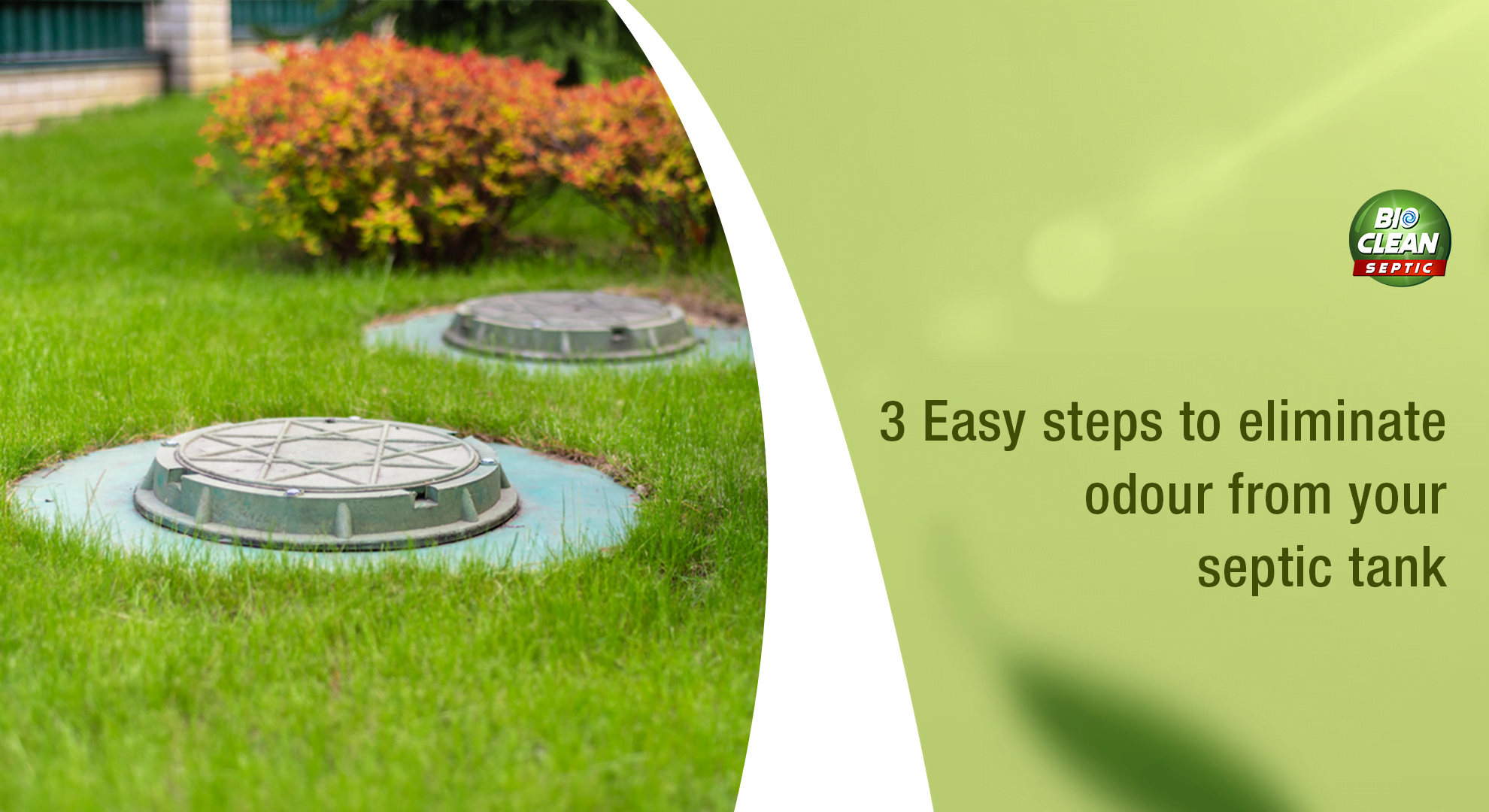
The Great Septic Smell Detective: How to Find and Fix Those Outdoor Odors
Ah, the great outdoors. Fresh air, sunshine, and...that unmistakable smell of something...well, not so fresh. If you're dealing with unpleasant septic odors wafting around your yard, you're not alone. But don't worry, this doesn't have to be a smelly situation forever. We're going to dive into the world of septic systems and sniff out the root of the problem, so you can enjoy your outdoor space again.
The Usual Suspects: Common Causes of Septic Odors
Think of your septic system as a mini-ecosystem. When things are running smoothly, it breaks down waste efficiently. But like any ecosystem, it can get thrown off balance. Here are some common culprits for those unwelcome aromas:
1. The Tank is Full
Think of your septic tank as a big holding tank for all the stuff you flush down the drain. It's designed to handle a certain amount of waste, and when it gets full, things start to get smelly. If you're noticing a strong odor near the tank itself, this is a good sign that it might be full or overflowing. Don't panic! You can usually pump out the tank to get things back on track.
2. The Drainfield is Clogged
The drainfield is like the "after-party" for wastewater, where the water gets filtered and released back into the ground. A clogged drainfield means the wastewater isn't draining properly, leading to backups and odors. This can happen for a few reasons:
- Overloading the system: Too much water going into the tank can overload the drainfield. Think big showers, laundry days, and washing machines that seem to love guzzling water.
- Improper installation: Sometimes the drainfield itself wasn't installed correctly, leading to problems down the road.
- Tree roots: Those sneaky tree roots can get into the drainfield lines, creating blockages and making the system less efficient.
- Poor soil conditions: Certain soil types just don't drain well. If the soil is too compact or clay-like, it can impede the draining process.
3. The Vent Pipe is Blocked
Every septic system needs a vent pipe. It's like the escape hatch, letting those nasty gases escape to the outside world. But if this vent gets blocked (by bird nests, leaves, or even critters), the gases have nowhere to go, and they can create unpleasant smells in your yard.
4. Leaking Pipes
A leak in your septic system can lead to the release of odor-causing gases into the surrounding area. Check for any wet spots or pooling water near the tank or the drainfield. If you see anything suspicious, call a septic professional to investigate.
Sniffing Out Solutions: How to Fix Septic Odors
Now that we've identified the potential culprits, let's talk about how to fix those smelly situations:
1. Pump Your Tank
If you suspect a full tank is the problem, schedule a septic tank pumping. It's a relatively simple process, and a good idea to do it regularly. Aim for a pumping every 3-5 years, or sooner if you have a large household or frequent use of water.
2. Address the Drainfield Issues
Fixing a drainfield problem can be a little trickier. It's best to call a septic professional. Here's what they can do:
- Diagnose the issue: They'll use specialized equipment to pinpoint the problem, whether it's a clog, a root intrusion, or soil issues.
- Clean and repair: They can clear out clogs, remove roots, or even install a new drainfield if necessary.
- Recommend maintenance: They can give you tips on how to prevent future issues, such as avoiding overloading the system.
3. Clear the Vent Pipe
If the vent pipe is blocked, you can often clear it yourself. Make sure you have someone on the ground to spot potential problems. Here's a step-by-step guide:
- Locate the vent pipe: It's typically located near the septic tank, and it might stick up above the roofline.
- Remove any obstructions: Carefully remove any leaves, twigs, or debris blocking the vent. You might need a long pole or brush to reach the top.
- Check for critters: If there are any bird nests or animal intrusions, remove them gently and carefully.
- Inspect the vent: Make sure there aren't any other blockages further down the pipe. If necessary, you might need a plumber to clear a blockage that's out of reach.
4. Repair Leaky Pipes
If you find leaks, it's essential to get a professional plumber involved. They have the tools and expertise to locate leaks, repair them, and ensure the system is working properly again.
Prevention is Key: Keeping Your Septic System Happy
Just like your car needs regular maintenance, so does your septic system. Here are some tips to keep things running smoothly and prevent those pesky odors:
- Limit water usage: Avoid long showers, excessive laundry loads, and running the dishwasher or washing machine multiple times a day.
- Don't flush unwanted items: Keep the following things out of your septic system:
- Flushable wipes: These are notoriously bad for septic systems. They don't break down well and can clog the system.
- Hair: Try to catch hair in drains with a screen or filter.
- Grease: Pour grease down the drain, and it can solidify and cause problems.
- Coffee grounds: These can also create blockages in the system.
- Medication: Never flush unused or expired medications down the toilet.
- Inspect regularly: Have your system checked by a professional every 3-5 years to make sure everything is functioning properly.
- Keep the ground around the tank clear: Don't let trees or shrubs grow too close to the septic tank. Their roots can damage the system and create problems.
- Use septic-safe products: If you need to use chemicals or cleaning products, choose ones that are specifically designed for septic systems. Some products can harm the bacteria that help break down waste.
Frequently Asked Questions about Septic Odors
We've covered a lot of ground, so let's tackle some common questions you might have about those pesky septic odors:
How do I know if my septic tank needs pumping?
It's a good idea to have your tank pumped every 3-5 years, but there are some signs that it might need attention sooner:
- Slow draining: Water in sinks, tubs, and toilets drains slowly.
- Gurgling sounds: You hear gurgling or bubbling sounds from drains or toilets.
- Visible wastewater: You see wastewater surfacing near the septic tank or in your yard.
- Strong odors: You notice a strong sewer-like smell around the septic tank or in your yard.
What can I do about septic odors in the house?
If you're noticing odors coming from inside the house, it's a sign that something more serious is going on, like a clogged drainfield or a leak in the system. Call a septic professional to diagnose the problem and get it fixed. You can also try pouring a cup of baking soda and vinegar down the drain to help clear out any minor clogs, but this is just a temporary solution.
Are there any natural ways to reduce septic odors?
Here are some natural tips that might help:
- Add baking soda and vinegar: Pour a cup of baking soda down the drain, followed by a cup of vinegar. This can help neutralize odors and break down any clogs.
- Use septic-safe enzymes: These products contain beneficial bacteria that help break down waste and reduce odors.
- Plant odor-absorbing plants: Certain plants, like lavender, rosemary, and mint, are known to absorb odors naturally. Plant them near your septic system to help mask any unpleasant smells.
Remember, a good septic system is a happy septic system! By following these tips, you can avoid those embarrassing septic smells and enjoy a fresh, clean outdoor space.
0 comments:
Post a Comment