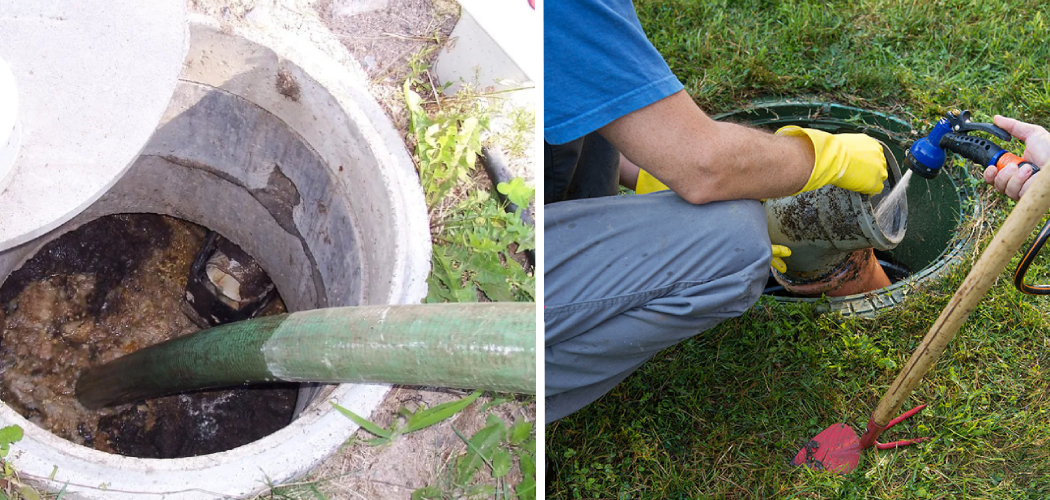
The Ultimate Guide to Fixing Septic Tank Smells at Home
The unmistakable odor of sewage can be a distressing and embarrassing problem for homeowners with septic systems. While a slight, intermittent smell might be normal, persistent or strong odors indicate an issue that needs attention. Understanding the causes and addressing them promptly is crucial to maintain a healthy living environment. This comprehensive guide explores the most common culprits behind septic tank smells, providing practical solutions and preventative measures to eliminate the problem for good.
Common Causes of Septic Tank Smells
Septic tank odors typically arise from the release of gases produced during the decomposition of organic matter. These gases, primarily methane and hydrogen sulfide, can escape into the surrounding environment through various pathways.
1. Overfilled Septic Tank
When the septic tank reaches its capacity, wastewater can overflow into the drain field, leading to backflow and unpleasant smells. This situation occurs due to insufficient waste disposal and infrequent septic tank pumping.
2. Clogged Drain Field
The drain field, responsible for filtering wastewater, can become clogged due to the buildup of solids or excessive organic matter. This blockage hinders proper drainage, forcing wastewater to back up and emit foul odors.
3. Faulty Septic Tank Components
Damaged or malfunctioning components, including the tank lid, baffles, or outlet pipes, can create leaks and allow odors to escape. These issues might arise from age, wear and tear, or improper installation.
4. Improper Vent Pipe Installation
The vent pipe, designed to release gases from the septic tank into the atmosphere, must be properly installed and maintained. If blocked, the vent pipe can cause a pressure buildup, leading to odors escaping through other openings.
5. Plumbing Issues
Leaky pipes within the home or sewage lines can directly release foul odors into the living space. These leaks often occur due to old pipes, corrosion, or improper installation.
6. Excessive Use of Harsh Chemicals
Using strong chemicals like bleach or drain cleaners can disrupt the delicate balance of bacteria in the septic tank, hindering the decomposition process and contributing to odor production.
Troubleshooting and Addressing Septic Tank Smells
Once you've identified the potential causes of the smell, you can take appropriate steps to eliminate the issue. Remember to prioritize safety and consult with a qualified professional when necessary.
1. Inspect the Septic Tank
Begin by visually inspecting the septic tank. Look for signs of overflow, cracks, or leaks. If the lid appears to be bulging, it might indicate a full tank.
2. Check the Drain Field
Examine the area surrounding the drain field for signs of soggy ground, standing water, or foul odors emanating from the soil. These symptoms suggest a clogged or malfunctioning drain field.
3. Investigate Vent Pipe Functionality
Locate the vent pipe and ensure it is not obstructed by debris or vegetation. Check for any leaks or cracks along the pipe.
4. Inspect Plumbing Fixtures
Inspect plumbing fixtures, such as toilets, sinks, and drains, for any signs of leaks. Run water through these fixtures to verify proper drainage and check for lingering odors.
5. Consider Professional Assistance
If you suspect a serious problem or are unsure about any aspect of the inspection, it's crucial to contact a qualified septic tank professional. They can conduct a thorough evaluation, identify any underlying issues, and recommend appropriate solutions.
Solutions for Eliminating Septic Tank Smells
Once you've identified the root cause of the odor, you can implement specific solutions to eliminate the problem.
1. Septic Tank Pumping
For an overfilled tank, professional pumping is essential. Regular pumping, typically every 3-5 years, prevents overflow and maintains optimal tank performance.
2. Drain Field Maintenance
A clogged drain field may require professional intervention. Techniques like aeration, jetting, or replacing sections of the field might be necessary to restore drainage.
3. Septic Tank Repairs or Replacement
Damaged tank components or a malfunctioning vent pipe need repair or replacement. Consult a qualified septic tank professional for the most appropriate solution.
4. Plumbing Repairs
Leaky pipes require immediate attention. Contact a plumber for a comprehensive assessment and repair of any leaks or faulty plumbing fixtures.
5. Use of Septic-Safe Products
Avoid using harsh chemicals that can disrupt the septic system's bacteria. Instead, opt for septic-safe cleaners and detergents designed for use with these systems.
Preventative Measures to Avoid Septic Tank Smells
Preventing septic tank odors involves proactive measures that maintain the system's health and efficiency.
1. Regular Septic Tank Pumping
Schedule regular septic tank pumping according to the manufacturer's recommendations or based on the usage level of the system.
2. Limit Flushing of Solids
Avoid flushing items such as wipes, paper towels, and food scraps down the toilet, as these materials can contribute to clogging and odor problems.
3. Use Septic-Safe Products
Always opt for septic-safe cleaners, detergents, and other household products designed for use with septic systems.
4. Avoid Excessive Water Use
Limit water usage by taking shorter showers, fixing leaky faucets, and being mindful of water consumption in appliances like dishwashers and washing machines.
5. Maintain Drain Field Area
Ensure that the drain field area is free from vegetation, debris, and other obstructions. Avoid parking heavy vehicles or adding structures above the drain field.
Conclusion
Addressing septic tank smells requires a methodical approach involving identifying the root cause, implementing appropriate solutions, and practicing preventative measures. By following these guidelines, you can effectively eliminate the issue and maintain a pleasant and healthy living environment. Remember to prioritize safety and consult with a qualified professional when necessary. Maintaining a well-functioning septic system ensures not only odor control but also the long-term health of your home's wastewater management system.
0 comments:
Post a Comment