How to Fix and Reduce Septic Tank Odors Effectively
The pungent aroma of sewage emanating from your septic system is never a pleasant experience. It can be embarrassing, create a health hazard, and signal a potential problem with your septic system. Thankfully, there are effective solutions to combat septic tank odors. This article will guide you through the steps to eliminate and prevent those unpleasant smells from invading your home.
Identify the Source of the Odor
Before embarking on odor-elimination strategies, it’s crucial to pin down the source of the problem. Septic tank odors can originate from several areas:
Septic Tank Lid
The lid of your septic tank can be a major culprit if it's not properly sealed. Over time, the seal around the lid can wear down, allowing foul gases to escape.
Vent Pipes
Vent pipes are essential for releasing methane and other gases produced during the decomposition process. If vent pipes are clogged, cracked, or damaged, the gases may back up into your home.
Drain Field
A malfunctioning drain field can lead to odors if it's unable to adequately process wastewater. This might be due to a blockage, excessive use, or poor soil conditions.
Plumbing Fixtures
If you notice an odor around specific plumbing fixtures, like the toilet or shower, there might be a leak or clog in the drain lines.
Preventative Measures for Odor Control
The best approach to septic tank odor control is preventative maintenance. Here's what you can do:
- Regular Inspections and Pumping: Schedule regular inspections of your septic system by a licensed professional. They can assess the tank's condition and ensure it's functioning properly. Pumping the tank every 3-5 years is crucial to prevent overfilling and backflow.
- Maintain Drain Field: Minimize traffic over the drain field area to avoid compaction and hinder the wastewater processing. Avoid planting large trees or shrubs near the field, as their roots can invade and disrupt the system.
- Use Septic-Safe Products: Avoid using harsh chemicals like bleach, disinfectants, and drain cleaners in your plumbing system. These products can disrupt the bacteria in the septic tank and compromise its efficiency.
- Manage Wastewater: Be mindful of your water usage. Excessive wastewater can overload the septic system, leading to backups and odors. Consider using water-saving devices like low-flow showerheads and toilets.
- Check Vent Pipes: Ensure your vent pipes are clear of obstructions and in good condition. A professional can inspect and repair any damage to the vent system.
- Seal Tank Lid: Inspect the septic tank lid regularly and replace any damaged seals or gaskets. A well-sealed lid will prevent odors from escaping.
Tackling Existing Odors
If you’re already battling unpleasant smells, here are some immediate steps to address the issue:
- Ventilate the Area: Open windows and doors to allow fresh air to circulate and remove odors.
- Neutralize Odors: Use odor-absorbing products like activated charcoal, baking soda, or commercial deodorizers to neutralize the smells. Place these products in bowls around the affected areas.
- Pour in Baking Soda and Vinegar: Pour a cup of baking soda into the drain followed by a cup of vinegar. This mixture will create a fizzing reaction that can help break down clogs and neutralize odors.
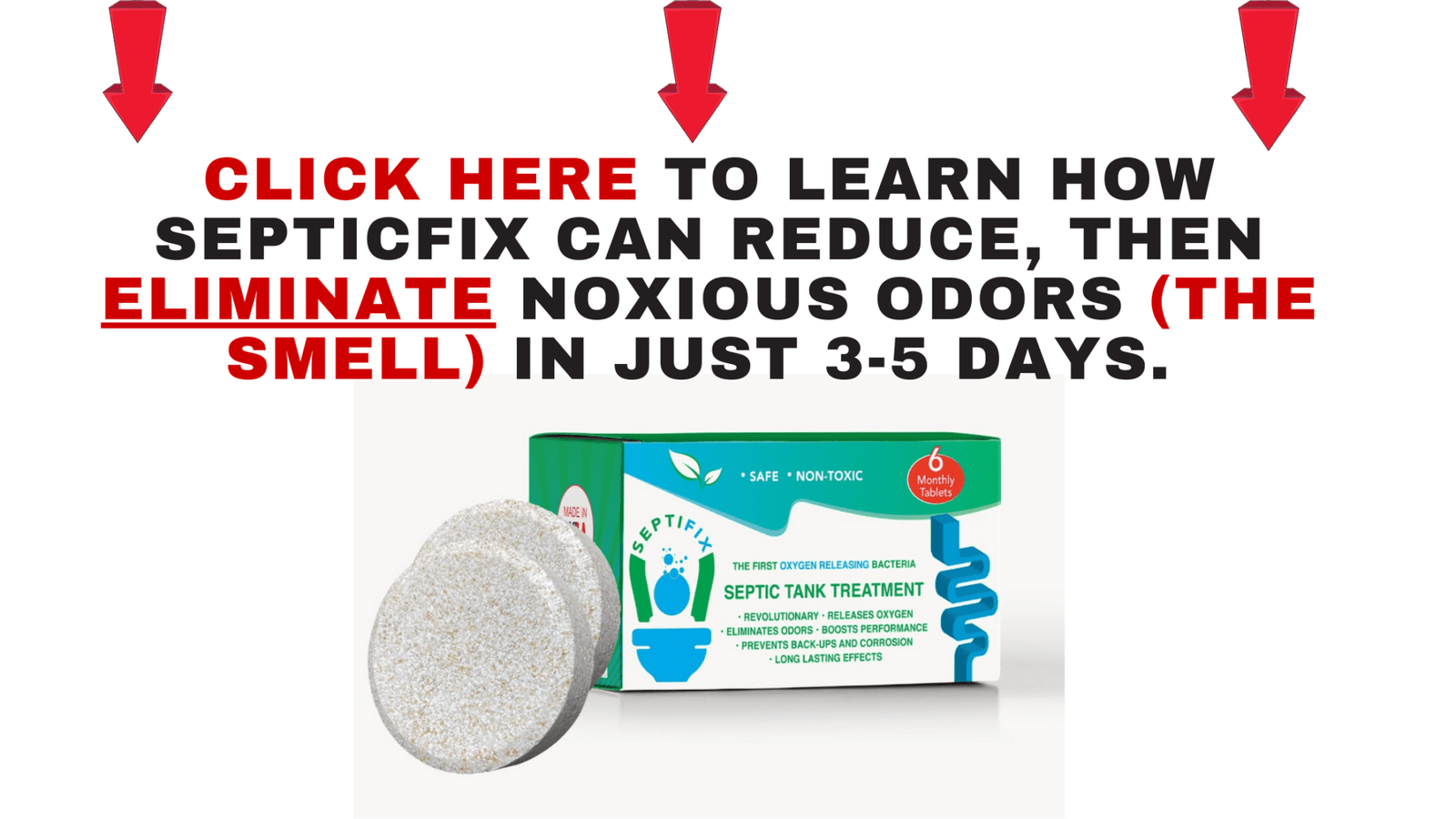
- Use a Septic Tank Treatment: Commercial septic tank treatments can help break down waste and control odor. However, use these treatments with caution and follow the instructions carefully.
- Call a Professional: If odors persist despite your efforts, it's advisable to contact a qualified septic system professional. They can pinpoint the source of the odor and provide the necessary repairs or maintenance.
Remember, addressing septic tank odors is essential for maintaining a healthy and pleasant living environment. By following these tips and taking preventative measures, you can effectively eliminate odors and ensure the longevity of your septic system.
0 comments:
Post a Comment